
Thrift Flip Makeovers Tools Supplies For Small Spaces
📖 Table of Contents
I remember the first time I stumbled into a thrift store and came home with a stack of forgotten treasures — a wooden chair with a chipped finish, a table missing its legs. A lamp that looked like it had seen decades of use. It wasn’t until I sat down with my toolkit in a cramped apartment bedroom that I realized how much could be done with just a few tools and a whole lot of creativity. Thrift flip makeovers tools supplies for small spaces are not only practical but also transformative, turning cluttered corners into cozy nooks and forgotten pieces into statement furniture.[1]
In my tiny studio apartment, I’ve learned that small spaces don’t mean you have to compromise on style or quality. With the right tools and a few strategic choices, even the tiniest nook can become a space that reflects your personality and taste. Thrift flip makeovers tools supplies for small spaces aren’t about buying a lot — they’re about buying smart, selecting tools that do multiple jobs. Using every inch of your space to its fullest potential.[2]
Whether you're a beginner looking to start small or someone who’s been flipping for years, the key is to focus on the essentials. Thrift flip makeovers tools supplies for small spaces are often underestimated. With the right combination of tools, materials, and planning, you can turn even the most basic find into a piece of furniture that feels brand new. It's about knowing what to invest in, and what to skip, especially when space is limited and budget is tight.[3]
Why You'll Love This Thrift Flip Makeover for Small Spaces
- Maximize your space with tools that do double duty.
- Save money by upcycling instead of buying new.
- Achieve a custom look without the cost of expensive furniture.
- Create a unique, personalized space that feels fresh and new.
The Essential Tools for Small-Space Makeovers
As of September 2026, for a successful thrift flip in a small space, you'll need a few must-have tools. A multi-tool like the Stanley 5-in-1 is invaluable for everything from tightening screws to sanding surfaces. A compact orbital sander, such as the Bosch 18V, is perfect for smoothing wood without taking up too much room. And don't forget a set of precision screwdrivers — I keep a magnetic set from Klein Tools on my workbench because it's a game-changer for small hardware jobs.[4]
I've found that having a few high-quality tools that can handle multiple tasks is better than having a lot of specialized tools. For instance, a mini jigsaw from Makita comes in handy for cutting curves in small projects like table tops or shelves, and it's small enough to store in a corner. A small paint sprayer, like the Wagner SprayTech, is also a great addition for even coverage on small pieces without needing a large setup.
When I first started flipping, I had too many tools that didn't fit in my tiny apartment. Now, I stick to a core set of three to five tools that get the job done without cluttering my space. This approach has saved me both time and money, and it's made my workflow more efficient.
Stick to a core set of three essential tools that can handle the majority of your projects. This helps keep your space organized and ensures you're not buying more than you need.
Part of our Thrift flip makeovers tools supplies guide.
The Right Materials for Small-Space Projects
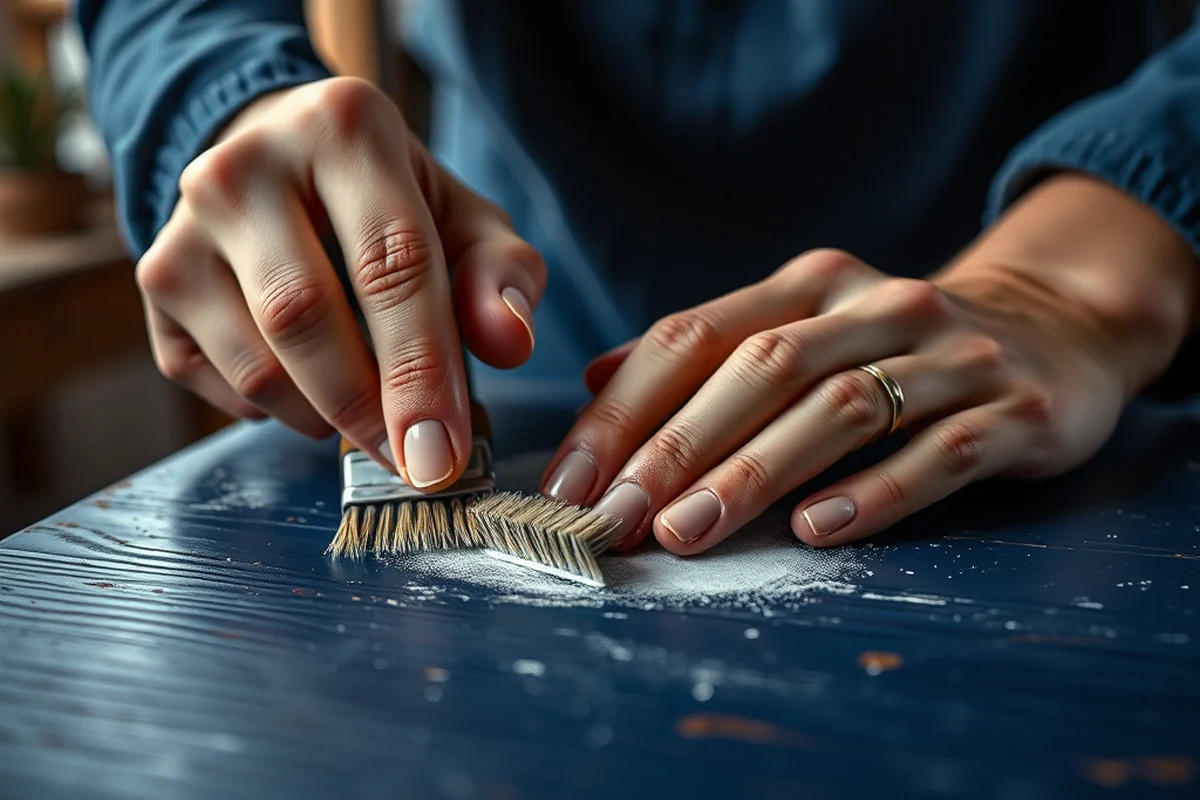
When working in small spaces, it's crucial to choose materials that are lightweight, easy to store, and versatile. I always keep a few rolls of painter’s tape on hand for quick fixes and temporary setups. For furniture, I look for pieces that are sturdy but not too heavy — a small wooden table or a chair with a solid frame works well in tight areas.
I've learned that using materials that are easy to clean and maintain is key in small spaces. For instance, I use a matte finish paint on most pieces because it’s more forgiving and hides imperfections better than glossy finishes. I also keep a small can of wood filler on my shelf, just in case I need to patch up a chip or a crack on a thrifted find.
Selecting the right materials can also help you save money. I often find that using affordable, high-quality paints like Rust-Oleum or Sherwin-Williams can give your projects a professional look without breaking the bank. And don’t forget the power of a small paint brush set — I use the same ones for furniture, walls, and even small decor projects.
Choose materials that are lightweight, easy to store, and versatile — they make all the difference in small-space projects.
Related: Thrift flip makeovers tools supplies ideas
Smart Storage Solutions for Small Spaces
In my apartment, I've had to get creative with how I store my tools and materials. I use a wall-mounted tool rack from IKEA that holds everything from screwdrivers to sanding pads, and it’s out of the way but still within reach. For my paint supplies, I keep a small cabinet with drawers and shelves, which helps me organize brushes, rollers, and cans without cluttering my space.
I’ve also found that using vertical space is a game-changer. I hang a few pegboards in my workspace area and use them to store small tools and materials. It keeps everything visible and accessible, and it’s great for projects that require multiple tools at once. I also use a small rolling cart from Walmart to transport materials around my apartment as I work on different projects.
Storage solutions don’t have to be expensive — I’ve made do with simple, affordable options that still work well. For instance, I use stackable plastic bins for storing smaller items like screws, nails, and spare parts. I label them with a permanent marker so I can find what I need quickly. It’s a small but effective way to keep my workspace organized.
Make the most of vertical space by using wall-mounted racks, pegboards, and rolling carts. This approach keeps your tools and materials organized without taking up floor space.
“I remember the first time I stumbled into a thrift store and came home with a stack of forgotten treasures — a wooden chair with…”— CurbFound editors
Related: Thrift flip makeovers tools supplies checklist
The Best Paint Techniques for Small Spaces
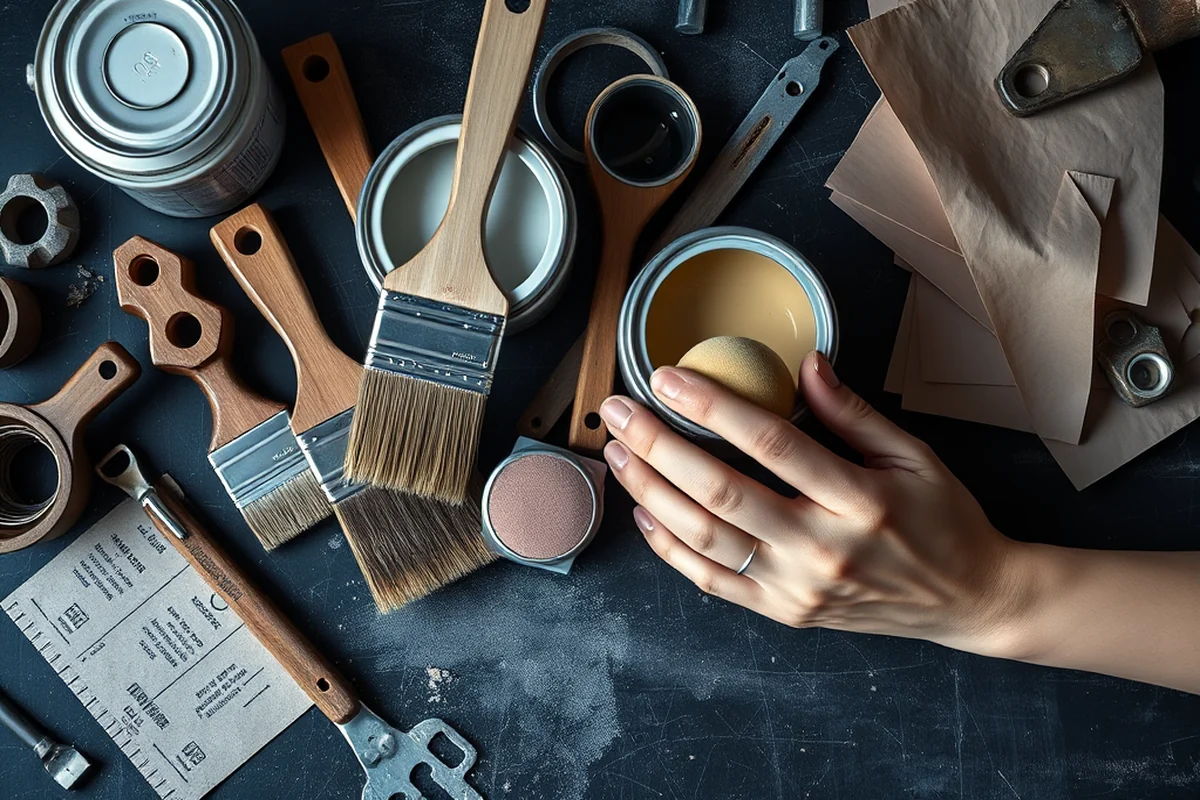
When painting in a small space, it's essential to work efficiently and avoid making a mess. I always start by setting up a small drop cloth or newspaper on the floor and using painter’s tape to protect the edges. I use a small paint sprayer, like the Wagner SprayTech, for even coverage, and I work in sections to avoid painting too much at once.
I’ve found that using a small brush set with different sizes is key for getting into tight corners and achieving smooth finishes. I also use a mini roller for larger surfaces like shelves or table tops. It's important to work quickly and not let the paint dry too much between coats — I usually complete a few sections before moving on to the next.
One of my favorite techniques is using a mini sponge to blend paint edges and create a seamless finish. It’s especially useful for furniture and small decor items. I also make sure to clean my brushes and rollers as I go, which helps keep my workspace clean and organized. This approach has made painting in small spaces much easier and more efficient.
Related: Thrift flip makeovers tools tips
Avoiding Common Mistakes in Small-Space Makeovers
One of the biggest mistakes I’ve made early on was overloading my workspace with too many materials. I’ve learned that keeping only what I need for the project helps me stay focused and avoid clutter. I now use a small container for each project and only bring out what I need at the moment.
Another mistake is not planning the layout of the space in advance. I’ve found that sketching out a rough plan of where each piece will go before starting the project helps me avoid last-minute adjustments. It also helps me visualize how the finished product will look in the space.
Lastly, I’ve made the mistake of not using the right tools for the job. I’ve found that using the correct tools not only saves time but also produces better results. For instance, using a small orbital sander instead of a larger one has made a big difference in how smooth and professional my finishes look.
💰 Budget Build
Use affordable tools and materials to achieve a great-looking project without breaking the bank.
⏰ Weekend Version
Complete a small project in one day with a simple setup and quick techniques.
✨ Upgraded Finish
Add high-end touches like custom hardware or professional-grade paint for a luxury feel.
🛋️ Small-Space Adaptation
Tailor your project to fit perfectly into a compact area with space-saving tools and materials.
🏠 Rental-Safe Option
Use temporary tools and non-permanent materials to ensure your project is safe for rental spaces.
| The mistake | Why it happens | The fix |
|---|---|---|
| Overloading your workspace with too many tools. | This can lead to clutter and make it harder to focus on the task at hand. | Only bring out what you need for the project and use a small container to keep things organized. |
| Not planning the layout before starting. | This can lead to last-minute changes and a finished product that doesn’t fit well in the space. | Sketch a rough layout and visualize how the finished product will look before starting the project. |
| Using the wrong tools for the job. | This can lead to poor results and wasted time. | Use the correct tools for each task, like a small orbital sander for smoothing surfaces. |
| Not cleaning up as you go. | This can lead to a messy workspace and make it harder to find tools and materials. | Clean brushes, rollers, and other tools as you go to keep your space tidy and organized. |
Related: Best thrift flip makeovers tools
Thrift Flip Makeovers Tools Supplies For Small Spaces
Related: Affordable thrift flip makeovers tools
Common Questions
What tools are best for small spaces?
How can I save money on my thrift flip projects?
What should I avoid when working in small spaces?
How do I plan my project for a small space?
References
- Elise Marquardt - The American Academy of Art College (aaart.edu)
- Children Spaces.pdf - Academia.edu (academia.edu)
- Scientific American October 2025 - H.J. Andrews Experimental Forest (andrewsforest.oregonstate.edu)
- Looking Good, Feeling Good, Doing Good? (asset.library.wisc.edu)
Cite this guide
CurbFound (2026). Thrift Flip Makeovers Tools Supplies For Small Spaces. https://curbfound.com/thrift-flip-makeovers-tools-supplies-for-small-spaces/
Feel free to cite or share this guide.