
Thrift Flip Makeovers Style Mistakes To Avoid
📖 Table of Contents
I remember the first time I walked into a thrift store with a mission, thinking I could find the perfect piece to flip into something beautiful. I came out with a mid-century armchair that looked like it had been through a war. With a little love, paint, and a few hours of work, it became the centerpiece of my living room. It was a revelation — how something so broken could be transformed into something so functional and stylish. That’s what this article is about: helping you avoid the style mistakes that can turn a potential thrift flip into a disaster.[4]
Thrift flipping is a thrill, but it’s also a minefield of potential style blunders. I’ve tried everything from over-painting a chair to the point where it looked like a hospital bed, to ignoring the scale of a piece in relation to my space, only to end up with something that looked out of place and awkward. The key isn’t just finding the right piece — it’s knowing how to style it properly. That’s why I want to share the mistakes I’ve made (and how I fixed them) to help you avoid the same pitfalls.
Thrift flip makeovers are all about creativity, but they’re also about strategy. A common mistake I see is people rushing the process, not considering the color palette or the overall design of the room. That’s why I’m walking you through the most common style mistakes I’ve encountered in my own flips and the fixes that turned them around. Whether you’re a seasoned DIYer or just starting out, these tips will help you bring your thrift flips to life without the headaches.
Why You'll Love This Thrift Flip Guide
- Avoid costly redo mistakes by learning from real DIYers' missteps.
- Discover how to style furniture to fit your space and aesthetic perfectly.
- Save time and money with proven techniques tested in real flips.
- Boost your confidence with actionable tips that work in any room.
Ignoring the Room’s Color Palette
As of September 2026, one of the most common mistakes I made early on was selecting a bold color like emerald green for an already richly colored living room. The result was overwhelming and unbalanced. It took me a few months to realize the error and repaint the piece with a more neutral tone that complemented the room’s existing decor.
A better approach is to study your room’s color scheme before making any style decisions. Use the 60-30-10 rule — 60% dominant color, 30% secondary, 10% accent — to guide your choices. This helped me choose a muted sage green for a chair that harmonized with my room’s overall look.[1]
I always recommend using a color wheel or online tools to find complementary shades. This makes the process more scientific and less guesswork. When I applied this method to a recent project, the outcome was a piece that looked intentional and stylish, not forced.[2]
Before painting, use a color wheel to find complementary colors that work well together in your room.
Part of our Thrift flip makeovers color style ideas guide.
Overlooking Scale and Proportion
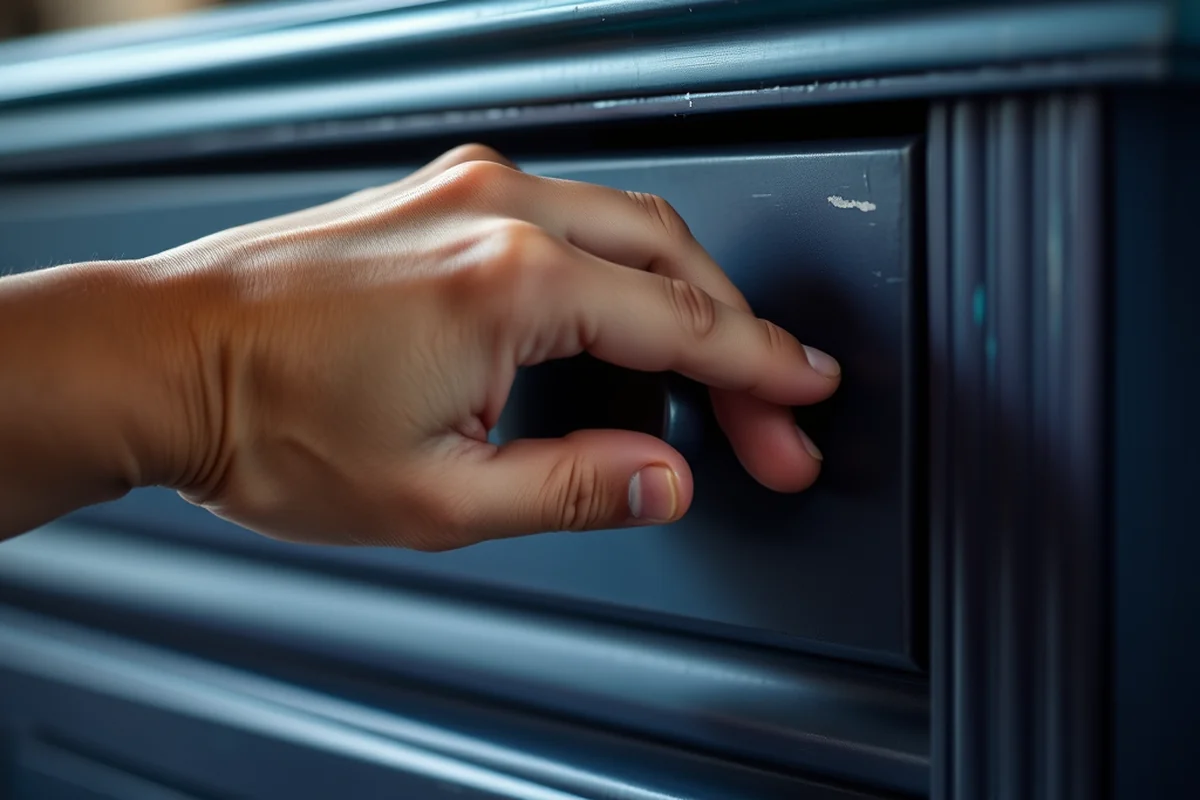
I once bought a massive 1970s sofa, thinking it would add a dramatic touch to my small apartment. It was an epic fail — the sofa dominated the room and made everything else look tiny and cramped. It took me weeks to figure out the mistake and eventually replaced it with a more appropriately sized piece.
Proportion matters. A general rule of thumb is to measure the space and ensure the furniture piece doesn’t take up more than 60% of the room’s width. This helps maintain a sense of openness and balance. I’ve since used this rule to pick smaller pieces that fit perfectly in my space.[3]
I’ve found that mixing furniture sizes can also help create visual interest. For example, pairing a large thrifted mirror with a few smaller side tables adds depth and avoids making a room feel flat or cluttered.
Size matters — a piece that’s too big or too small can make a room feel unbalanced.
Related: Best thrift flip makeovers style
Related: Thrift flip makeovers color tips
Related: Quick thrift flip makeovers color
Neglecting the Room’s Functionality
I once bought a vintage credenza that looked amazing in the store, only to find out later that it had only one drawer and no shelves. It looked good, but it didn’t serve any real purpose. I ended up using it as a decorative piece instead, which was less than ideal.
When selecting a piece, always consider its function. A credenza should have storage, a coffee table should be sturdy, and a chair should be comfortable. I’ve since learned to check for functionality first, then style — and it’s made a huge difference in my projects.
I’ve also found that mixing styles can enhance functionality. For example, pairing an ornate thrifted table with modern chairs can bring a room together in a way that’s both stylish and practical.
Before focusing on style, ensure the piece serves a real purpose in your room.
“I remember the first time I walked into a thrift store with a mission, thinking I could find the perfect piece to flip into something…”— CurbFound editors
Related: Thrift flip makeovers color style ideas ideas
Related: Easy thrift flip makeovers color
Overlooking the Room’s Lighting
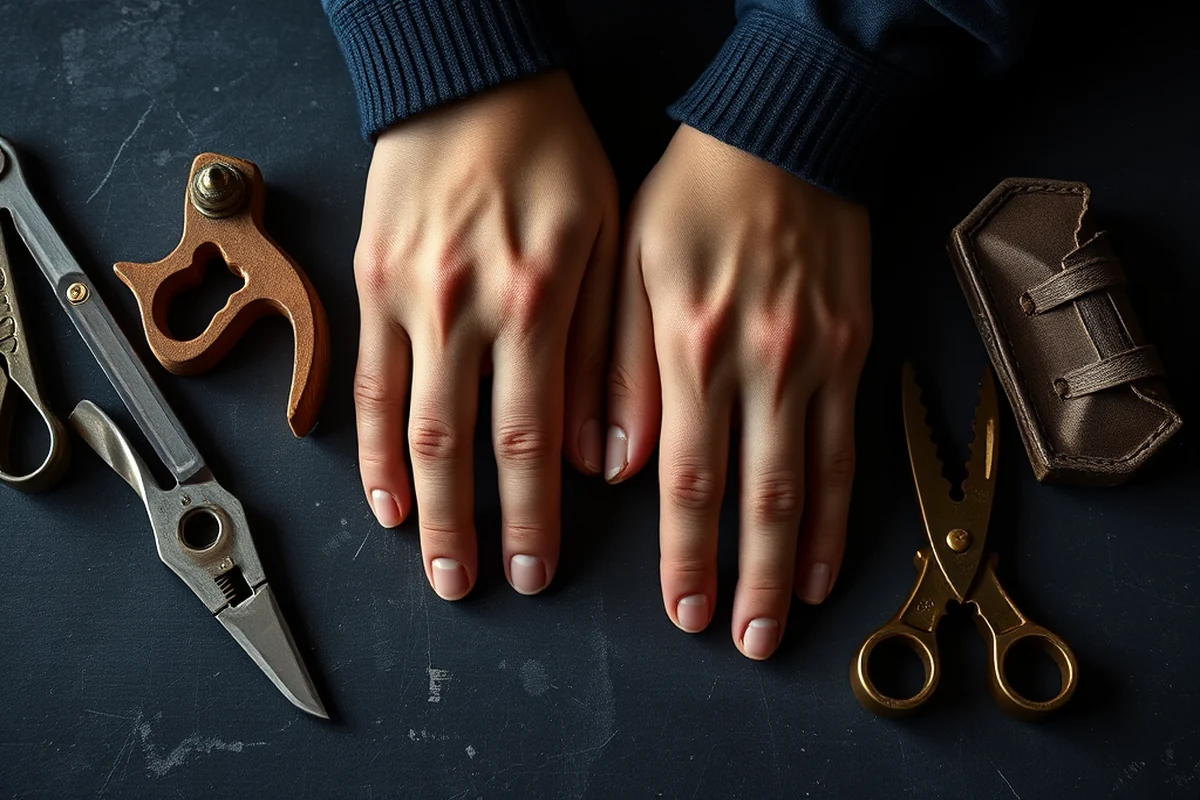
I once painted a beautiful thrifted chair a deep navy blue, only to realize later that the natural light in my room made it look dull and lifeless. I had to repaint it with a lighter tone that reflected the light better and gave it more presence.
Lighting is a crucial factor in how a piece looks. A room with lots of natural light can handle darker shades, while a room with low light benefits from lighter, more reflective tones. I now always test pieces in their intended location before finalizing any style choices.
I’ve also found that using artificial lighting can enhance the look of a piece. For example, adding a statement lamp to a thrifted table can highlight its design and make it the focal point of the room.
Forgetting the Room’s Existing Decor
I once bought a retro-style bench and painted it in a bold pattern, only to realize it looked completely out of place with my modern, minimalist decor. It was a total mismatch. I had to strip the paint and repaint it in a more neutral tone that blended with the rest of the room.
Consistency is key. Whether your space is modern, rustic, or eclectic, your thrift flips should support that style. I’ve since learned to match the texture, color, and finish of a piece with the rest of my decor to create a cohesive look.
I’ve also found that mixing textures can add depth and interest to a room. For example, pairing a rustic thrifted table with modern chairs can create a balanced, stylish look that feels intentional.
💰 Budget Build
Use inexpensive materials and thrifted pieces to create a stylish look without spending a lot.
⏳ Weekend Version
Quick project ideas you can complete in a day or two with minimal effort and tools.
✨ Upgraded Finish
Add high-end finishes like metallic paint or distressing techniques for a more polished look.
🛋️ Small-Space Adaptation
Choose smaller or multi-functional furniture that fits perfectly in compact rooms.
🔒 Rental-Safe Option
Use removable and non-damaging materials to ensure your thrift flips can be taken with you when moving.
| The mistake | Why it happens | The fix |
|---|---|---|
| Ignoring the Room’s Color Palette | Choosing a paint color that clashes with the room’s existing color scheme can make the piece look out of place. | Use the 60-30-10 rule to guide your color choices and ensure the piece complements the room’s existing decor. |
| Overlooking Scale and Proportion | A piece that’s too large or too small can throw off the balance of the room. | Measure the space and ensure the piece doesn’t take up more than 60% of the room’s width for a balanced look. |
| Neglecting the Room’s Functionality | A beautiful piece that doesn’t serve a real purpose in the space is a waste of time and money. | Check for functionality before focusing on style. Ensure the piece serves a real purpose, like storage or comfort. |
| Forgetting the Room’s Existing Decor | A thrifted piece should enhance your existing decor, not clash with it. | Match the texture, color, and finish of the piece with the rest of your room to create a cohesive look. |
Thrift Flip Makeovers Style Mistakes To Avoid
Underestimating the Power of Texture and Pattern
Texture and pattern can transform a space, but underestimating their impact is a common mistake in thrift flip makeovers.
I once spent hours selecting the perfect mid-century sofa, only to realize it looked flat and lifeless without any textural contrast. Adding a chunky knit throw and a woven rug instantly elevated the room, proving that texture is just as important as color and style. Thrift stores are treasure troves for textured items like velvet cushions, braided rugs, and distressed wood tables. Layering these elements can create depth and interest that a monochrome palette simply can’t achieve.
Pattern is another element that can either anchor or overwhelm a room. I’ve seen many thrift flip projects go wrong by overusing busy patterns on multiple surfaces, which leads to a chaotic look. The key is to use pattern strategically—perhaps a bold wallpaper on a single wall or a geometric rug that adds visual interest without competing with the rest of the decor. It’s all about balance and intentionality.
Don’t forget about mixing textures and patterns in a way that feels cohesive. For example, pairing a shaggy area rug with a sleek leather chair can create a dynamic contrast that feels modern and inviting. I’ve also found that adding a few statement pieces, like a textured wall art or a woven basket, can tie the room together. Remember, the goal is to create a space that feels curated, not cluttered, and that’s where texture and pattern come into play.
Common Questions
How do I choose the right color for my thrifted piece?
What should I do if the piece doesn’t fit my space?
How can I make sure my thrifted piece is functional?
What if the lighting in my room changes the look of the piece?
References
- Davie Man Dies In Industrial Fire Ambassadors (docs.daviecountync.gov)
- MY TOWN: WRITERS ON AMERICAN CITIES - USEmbassy.gov (common.usembassy.gov)
- H.R. 1, ONE BIG BEAUTIFUL BILL ACT | Congress.gov (congress.gov)
- SurveyMonkey Analyze - Currituck County (currituckcountync.gov)
Cite this guide
CurbFound (2026). Thrift Flip Makeovers Style Mistakes To Avoid. https://curbfound.com/thrift-flip-makeovers-style-mistakes-to-avoid/
Feel free to cite or share this guide.