
Thrift Flip Makeovers Color Style Ideas For Beginners
📖 Table of Contents
I still remember the day I stumbled upon a thrift store side table with a cracked finish and a color that screamed '80s.' It was the kind of piece that begged for a second chance. I knew I had to bring it back to life. That table became the first project that taught me the power of color in thrift flip makeovers — how a few strategic choices could transform a forgotten piece into a statement. For beginners like me, it's about understanding how color works with your space, your budget, and your style, and that's exactly what this article is here to help with.[4]
Thrift flip makeovers color style ideas for beginners might seem overwhelming at first, but once you get the hang of it, the possibilities are endless. I've tried everything from painting over dark stains to adding subtle metallic touches, and each project has taught me something new. Whether you're working with a bold color or a muted tone, the key is to balance your choices with the existing elements of your room. This article walks you through real strategies I've tested — not just theory, but the kind of hands-on learning that leads to real results.
Starting with thrift flip makeovers color style ideas for beginners doesn't mean you need to be an interior design expert. It means you're ready to experiment, make mistakes, and find what works for your space. I've painted over furniture, applied chalk paint, and even used fabric to cover old pieces — all on a budget. What matters is that you're learning, and this article is here to guide you through the process with real, actionable advice, so you can feel confident as you bring your own style to life.[1]
Why You'll Love This Color Style Guide for Thrift Flips
- Learn how to pick colors that work with your space and budget
- Discover quick, easy techniques that don't require advanced skills
- Get inspired by real examples of color transformations I've tested
- Avoid common mistakes that turn great projects into disasters
Understanding Color Balance in Thrift Flips
As of October 2026, one of the first lessons I learned was that color doesn't work in isolation — it needs to interact with the other elements in the room. I tried painting a dark green table in a small, light-colored space, and it overwhelmed the room. But when I paired that same green with neutral walls and a white sofa, it became a bold, eye-catching piece. Balance is key, and it starts with understanding your existing color palette.
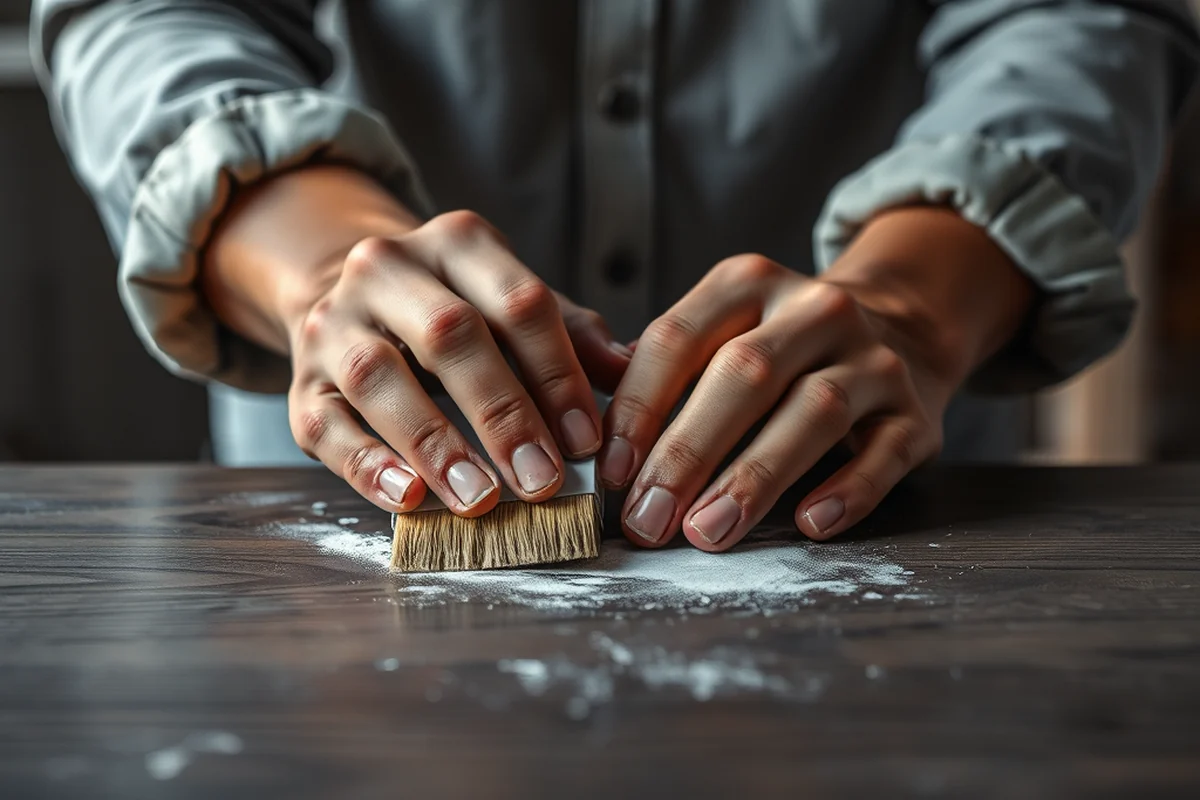
To avoid mistakes, I recommend starting with a neutral base and building from there. If you're unsure, try a sample on a small area first. I once used a small brush to test out a color on the side of a chair before committing, and it saved me from a costly error. Once you're confident, you can apply the color with confidence.[2]
Even if your room has a dominant color, you can use accent colors to add interest. I've used a deep blue on a small side table to complement a gray sofa, and it worked beautifully. It's about contrast and harmony — something that can be achieved even with a limited palette.
Before committing to a full paint job, use a small brush to test the color on a visible but small area. This helps you avoid costly mistakes and see how the color interacts with your space.
Part of our Thrift flip makeovers color style ideas guide.
The Power of Metallic Accents in Thrift Flips
I used to think metallics were only for high-end furniture, but I've learned that they can be a game-changer when used sparingly. I applied gold leaf to the edges of a mid-century mirror, and it transformed it from a dull, outdated piece into something elegant and modern. It's an easy way to add sophistication without breaking the bank.
Metallic finishes also reflect light in a way that makes spaces feel larger and more open. I've used silver paint on the legs of a coffee table, and the effect was surprising — it made the room feel more dynamic and visually interesting. It's a simple technique that can make a huge difference.
Another trick I've used is to apply metallic paint in small, strategic areas. For example, I painted a few edges of a side table in bronze, and it immediately made the piece stand out. It's a subtle way to add personality without overwhelming your space.
A little gold can make a big difference.
Related: Quick thrift flip makeovers color
Choosing the Right Paint for Your Project
I've used a variety of paints over the years, and I've learned that not all paints are created equal. For thrift flips, I prefer chalk paint because it's easy to apply, doesn't require sanding or priming, and it adheres well to most surfaces. It's also affordable and available in a wide range of colors.
Another option is a high-quality latex paint, which is durable and easy to clean. I've used it on a dining table, and it's held up well over time, even with daily use. It's a bit more work, but the results are worth it.
I also recommend looking for paints that are labeled as 'low VOC' to ensure they're safe for your home. I've noticed that some paints have a strong chemical smell, but low-VOC options are just as effective and much more pleasant to work with.[3]
Before applying paint to the entire piece, test it on a small section. This helps you avoid using a color that doesn't work with your space or that doesn't adhere properly to the surface.
“I still remember the day I stumbled upon a thrift store side table with a cracked finish and a color that screamed '80s.' It was…”— CurbFound editors
Related: Thrift flip makeovers color examples
Adding Fabric for a Soft, Textured Look

I've used fabric to cover old chairs and ottomans, and the results have been amazing. It's a great way to add a soft, inviting texture to your space, and it's a perfect option for those who aren't comfortable with paint. The process is simple — just measure, cut, and staple the fabric to the frame.
Fabric is also a great way to introduce a new color or pattern into your space. I once used a bold geometric fabric on a side table, and it instantly made the piece more interesting. It's a quick and easy way to update an old piece without spending a lot of money.
Another benefit of using fabric is that it's easy to clean and replace. If you get a stain or want to change the look of the piece, you can simply remove the fabric and replace it with something new. It's a flexible option that can grow with your style.
Related: Simple thrift flip makeovers color
Using Color to Highlight Architectural Features
I've noticed that using color to highlight architectural features can make a big impact on the overall look of a room. For example, I painted the legs of a coffee table in a bold red, and it immediately drew the eye to that part of the room. It's a great way to add interest without overwhelming your space.
Another technique I've used is to paint the back of a chair in a different color. It's an easy way to add a pop of color without changing the entire piece. I've used this technique on a set of dining chairs, and it's made them feel more dynamic and visually engaging.
I've also used color to create a focal point in a room. For instance, I painted a console table in a deep navy blue, and it became the center of attention in the entryway. It's a simple way to create a sense of purpose and intention in your space.
💸 Budget Build Thrift Flip
A low-cost approach using secondhand materials and minimal paint to transform a piece.
⏰ Weekend Thrift Flip
A quick, hands-on project that can be completed in a few hours with simple tools.
✨ Upgraded Finish Thrift Flip
A more refined look using high-quality paint and decorative accents for a polished result.
🛋️ Small-Space Adaptation Thrift Flip
A tailored version of the project that fits into compact living areas with smart color choices.
🏠 Rental-Safe Thrift Flip
A non-permanent option that allows you to personalize your space without damaging the original furniture.
| The mistake | Why it happens | The fix |
|---|---|---|
| Choosing the wrong color for your space | Selecting a color that doesn't complement your room can make the piece look out of place or overwhelming. | Test the color on a small area first, and consider how it interacts with the light and other colors in your space. |
| Using low-quality paint or tools | Low-quality paint or tools can lead to uneven results, peeling, or chipping over time. | Invest in quality materials, even if it means spending a bit more. I've found that using good paint and tools makes a huge difference in the final result. |
| Ignoring the existing color palette | Failing to consider your existing color palette can result in a piece that looks disconnected from the rest of your space. | Take note of the colors in your room and choose a color that complements them. This helps create a more cohesive look. |
| Overlooking the importance of lighting | Lighting can change the way colors look in a room, and failing to consider it can lead to unexpected results. | Test the color in the room at different times of day to see how it looks in various lighting conditions. This helps you make an informed decision. |
Related: Diy thrift flip makeovers color style ideas
Thrift Flip Makeovers Color Style Ideas For Beginners
Related: Thrift flip makeovers color tips
Common Questions
What kind of paint should I use for a thrift flip project?
How long does a thrift flip project usually take?
Can I use fabric to cover an old piece of furniture?
What tools do I need for a thrift flip project?
References
- Uniformly Speaking How Rhetoric and Clothing Addresses ... (repositories.lib.utexas.edu)
- Looking Good, Feeling Good, Doing Good? (asset.library.wisc.edu)
- Fashion | Boston University (bu.edu)
- PROGRAM IDEAS from PAST YEARS - IN.gov (in.gov)
Cite this guide
CurbFound (2026). Thrift Flip Makeovers Color Style Ideas For Beginners. https://curbfound.com/thrift-flip-makeovers-color-style-ideas-for-beginners/
Feel free to cite or share this guide.