
Thrift Flip Makeovers Mistakes Fixes Guide
📖 Table of Contents
When I first started thrift flipping, I was so excited about the idea of transforming secondhand finds into something stylish and functional. My first project was a mid-century side table I picked up for $15. I spent hours sanding it down and painting it a glossy white, only to realize later that I had overlooked the hardware — the rusty drawer pulls were still on it. They made the whole piece look cheap and unprofessional. That was my first real lesson in thrift flip makeovers mistakes fixes guide: even the smallest details can make or break a project.[1]
Since that day, I've learned that the key to a successful thrift flip is not just finding the right piece, but knowing exactly what to do with it. I've made mistakes like overpainting a piece that only needed a light refresh, or rushing through a project and ending up with a finished product that didn't look right. But with each mistake came a valuable fix — and now I want to share those lessons with you. Whether you're a beginner or a seasoned DIYer, this guide is for anyone who wants to avoid common pitfalls and create beautiful, lasting pieces from thrift store treasures.[3]
If you're looking for a guide that walks you through the most common thrift flip makeovers mistakes fixes guide, you're in the right place. This article is filled with real stories, tips, and tricks that I've picked up along the way. We’ll cover everything from picking the right piece to avoiding the most common DIY blunders. I’ll even share some of my favorite tools and materials that make the whole process easier and more fun.[4]
Why You'll Love This Thrift Flip Makeovers Mistakes Fixes Guide
- Avoid common mistakes that cost time and money
- Get actionable fixes for every stage of your project
- Learn how to spot and salvage hidden value in secondhand finds
- Discover tips and tools that make every thrift flip project easier
How to Choose the Right Piece for Your Thrift Flip
As of September 2026, when I was shopping at a local thrift store, I saw a beautiful mid-century chair that looked like it had been left out in the rain. The frame was slightly warped, and the legs were cracked. I passed it up, knowing that even the smallest imperfection could be a deal-breaker. Later, I saw the same chair on a Facebook marketplace listing and realized it had been completely refinished — the fix had cost around $100 in labor alone. That taught me the importance of checking for structural soundness before buying.[2]
A good piece to flip should be mostly intact, with minimal damage that can be easily repaired. Look for pieces that have a strong, solid frame and avoid anything that feels unstable or shows signs of rot. It's also important to think about how the piece will fit into your space — a large, ornate piece won't work in a small room. A minimalist table might not suit a rustic, cozy space.
I've learned that the best thrift finds are the ones that have a lot of potential — a bit of paint, a few dents, or even a mismatched handle. These are the pieces that can be transformed with the right techniques and a little bit of time.
Before purchasing a piece, test it for stability. Sit on a chair, open the drawers of a table, or lift the corners of a couch. If it feels wobbly or unstable, it's probably not worth the trouble.
Part of our Thrift flip makeovers mistakes fixes guide.
The Importance of Preparing Your Workspace
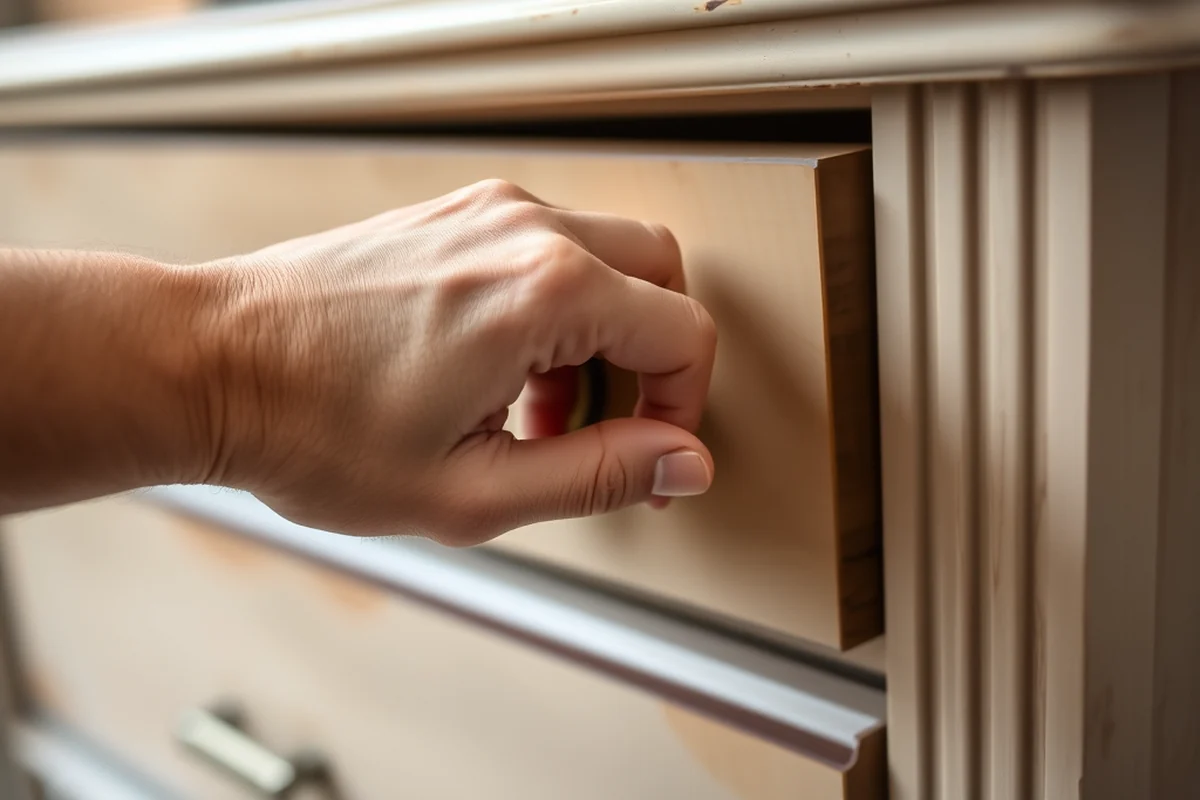
I once tried to paint a piece of furniture in my living room, only to make a mess all over the carpet and end up with paint splatter on my walls. It was a disaster, and I spent the rest of the day cleaning up. That was a lesson in preparation. Now, I always set up a dedicated workspace — a garage, a spare room, or even a large table — where I can work without worrying about damaging my home.
Preparing your workspace includes covering your floor with a drop cloth, laying out your tools and materials in advance, and making sure you have enough lighting. I always use a portable LED light for my projects, especially if I'm working in a dimly lit space. It makes a huge difference in how well you can see the details of your work.
I've found that a clear, organized workspace helps me focus and avoid mistakes. When I have everything I need within reach, I can move through my project more efficiently and avoid the frustration that comes with hunting for tools or materials.
A cluttered workspace leads to a cluttered project — plan ahead.
Related: Thrift flip makeovers mistakes that actually work
Common Painting Mistakes and How to Fix Them
I painted my first piece with a brush, but I didn’t prime it first. The paint didn’t stick well, and it looked patchy and uneven. I had to sand it down and start over. That was a costly mistake, but it taught me the importance of proper preparation. Always prime your surface before painting — it helps the paint adhere better and lasts longer.
Another common mistake is painting over wood that has been previously painted without sanding it down. I tried that once, and the new paint didn’t cover the old color properly. It looked like a patchwork of different shades. Now, I always sand the surface before painting, even if it looks fine at first glance.
I also learned the hard way that using the wrong type of paint can ruin your project. I once used a water-based paint on a piece of furniture that was already sealed, and it didn’t stick at all. Now, I always check the surface and use the right type of paint — either oil-based or water-based — based on what I’m working with.
Priming ensures even coverage and better adhesion. If you skip this step, you may end up with a patchy, uneven finish that doesn’t last long.
“When I first started thrift flipping, I was so excited about the idea of transforming secondhand finds into something stylish and functional.”— CurbFound editors
Related: Thrift flip makeovers mistakes checklist
The Dangers of Rushing Through Your Project
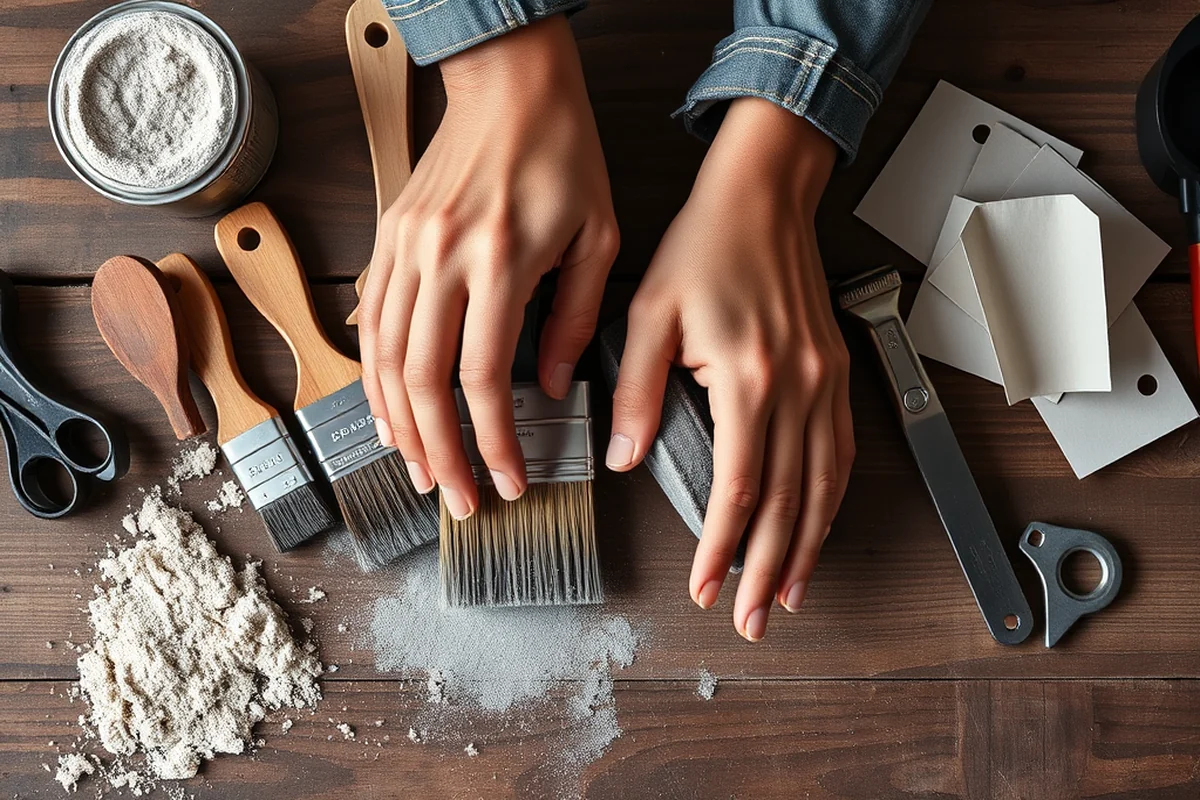
I once tried to finish a thrift flip project in one day because I was excited and wanted to see the results quickly. I skipped a few steps — like waiting for the paint to dry completely and not using the right type of sealer. The result was a piece that didn’t look good and didn’t last very long. The paint chipped off after just a few weeks, and I had to redo the whole project.
Rushing can also lead to poor decision-making. I once painted a piece a color that didn’t match the rest of my decor, just because I was in a hurry. I realized that mistake the next day and had to repaint the whole thing. It cost me time and money, but it was worth it to avoid the mistake later.
I’ve learned that taking your time is essential. Even if you’re excited about your project, it’s better to take it one step at a time and make sure each part is done right. Rushing leads to mistakes that are hard to fix, and it’s always better to do it right the first time.
Related: Thrift flip makeovers mistakes fixes step by step
The Importance of Using the Right Tools
I once tried to use a regular paintbrush to apply a clear coat of polyurethane, and it didn’t go smoothly. The brush left streaks all over the surface, and I had to sand it down and start over. That was a costly mistake — I had to buy a new brush and spend more time on the project. Now, I always use the right tools for the job, even if it means spending a little more money.
Another mistake I made was using a chisel to sand down a piece of furniture. It left deep scratches that were impossible to fix. I had to buy a new piece of furniture and start over. That was a big lesson in using the right tools. Now, I always use a sanding block or an electric sander for smoother results.
I’ve learned that investing in the right tools can save you time and money in the long run. Even if you’re on a budget, it’s worth buying a few essential tools that will make your projects easier and more successful.
💰 Budget Build
A low-cost thrift flip project that uses minimal materials and focuses on simple fixes.
⏰ Weekend Version
A quick project that can be completed over the course of a weekend with minimal setup and effort.
✨ Upgraded Finish
A project that uses premium materials and techniques to create a high-end, custom look.
🛋️ Small-Space Adaptation
A project that’s ideal for small spaces, focusing on compact, functional pieces.
🔒 Rental-Safe Option
A project that’s designed to be non-damaging and easy to remove if you’re renting.
| The mistake | Why it happens | The fix |
|---|---|---|
| Not checking the structural integrity of a piece before buying. | Pieces that are structurally unsound can be a safety hazard and may not be worth the time or money to fix. | Always test the piece for stability before purchasing. Sit on a chair, open the drawers of a table, or lift the corners of a couch to ensure it’s solid. |
| Skipping the priming step before painting. | Priming helps the paint adhere better and lasts longer. Skipping this step can lead to a patchy, uneven finish. | Always prime the surface before painting, even if it looks fine at first glance. This will ensure a smooth, even finish. |
| Using the wrong type of paint or materials. | Using the wrong type of paint can cause it to chip or not adhere properly. It can also ruin the look of your project. | Always check the surface and use the right type of paint — either oil-based or water-based — based on what you’re working with. |
| Rushing through the project and skipping steps. | Rushing can lead to mistakes that are hard to fix later, such as poor paint coverage or incorrect measurements. | Take your time and make sure each step is done right. It’s better to do it right the first time rather than spending more time and money fixing mistakes later. |
Related: Thrift flip makeovers mistakes fixes for small spaces
Thrift Flip Makeovers Mistakes Fixes Guide
Related: Easy thrift flip makeovers fixes
Common Questions
What tools do I need to get started with thrift flipping?
How do I know if a piece is worth flipping?
What should I do if the paint on a piece is peeling?
How long does a thrift flip project usually take?
References
- Makeover culture: landscapes of cosmetic surgery - Academia.edu (academia.edu)
- vocab.nytimes.txt - UCI Machine Learning Repository (archive.ics.uci.edu)
- Looking Good, Feeling Good, Doing Good? (asset.library.wisc.edu)
- Scientific American October 2025 - H.J. Andrews Experimental Forest (andrewsforest.oregonstate.edu)
Cite this guide
CurbFound (2026). Thrift Flip Makeovers Mistakes Fixes Guide. https://curbfound.com/thrift-flip-makeovers-mistakes-fixes-guide/
Feel free to cite or share this guide.