
Thrift Flip Makeovers Fixes Tips
📖 Table of Contents
I remember the first time I walked into a thrift store with a mission — to find a piece of furniture that could be reborn with a little love and a whole lot of elbow grease. That day, I stumbled upon a slightly dented, paint-chipped side table that, after a few hours of sanding and a fresh coat of paint, became the centerpiece of my living room. It was a small victory, but one that taught me the power of thrift flip makeovers. Today, I'm here to share the fixes and tips that have helped me and countless others turn thrift store finds into stunning, functional pieces of furniture.
Thrift flip makeovers are more than just a trend; they're a way to breathe new life into forgotten items and give them a second chance. With a little creativity and the right tools, you can transform a worn-out chair, a chipped cabinet, or even a broken lamp into something that looks brand new. The key is knowing where to start and what to fix — that's where the real magic happens.
In this article, I'll walk you through the fixes and tips that have made my thrift flip makeovers not only successful but also rewarding. Whether you're a seasoned DIYer or just starting out, these strategies will help you tackle your next project with confidence. Remember, the goal isn't perfection — it's transformation, and that's where the real beauty lies.
Why You'll Love This Thrift Flip Makeovers Guide
- Discover quick, budget-friendly fixes that transform thrift store finds into showpieces.
- Learn the exact steps and tools needed for a successful project, even if you're a beginner.
- Uncover hidden tricks and techniques that professionals use to make your furniture look brand new.
- Get inspired with a variety of variations that fit any space, style, or budget.
Fixing Worn-Out Wood Surfaces
As of September 2026, when I first started flipping furniture, I quickly learned that the most important step in fixing a worn-out wood surface was not just cleaning or painting — it was sanding. I remember spending over an hour on a single table just to get the surface smooth enough to accept new paint. Using 120-grit sandpaper, I worked in circular motions, always sanding with the grain to avoid creating visible scratches. After sanding, I wiped the surface with a damp cloth to remove all dust and debris.[1]
Next, I applied a coat of wood filler to fill any dents or deep scratches. I let the filler dry completely, then sanded it again with 220-grit sandpaper. The result was a surface that looked almost new, ready for the next step — painting. I found that using a high-quality primer helped the paint stick better and last longer, which was a game-changer for me.[2]
After painting, I sealed the piece with a clear polyurethane coat to protect it from future wear. This step was critical, and I noticed a huge difference in the durability of the piece. If I had skipped this step, the paint would have chipped within a few weeks. Fixing worn-out wood surfaces is the foundation of any good thrift flip, and it's a step I never skip.
Use 120-grit sandpaper first, then 220-grit for a finer finish. Always sand with the grain to avoid scratches. Wipe the surface clean after each step before moving on.[3]
Part of our Thrift flip makeovers mistakes fixes guide.
Dealing with Broken or Loose Legs
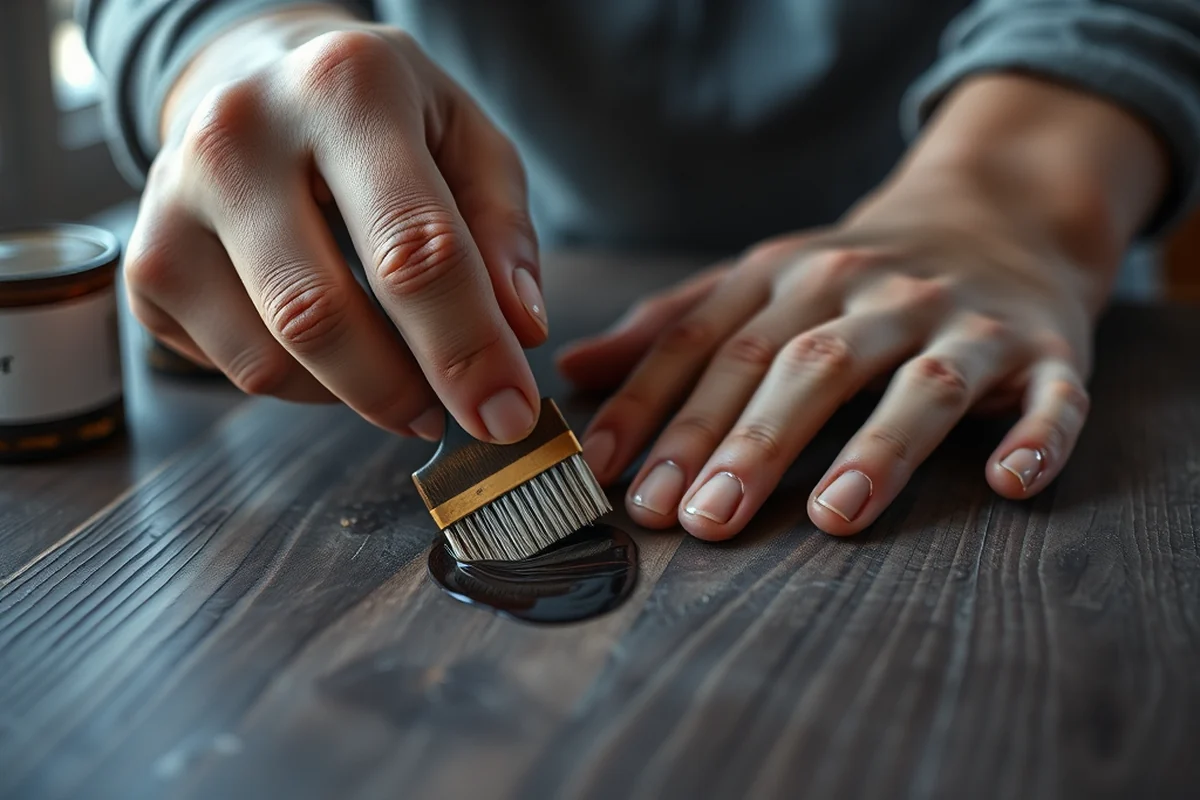
One of the most frustrating issues I've encountered during a thrift flip is dealing with broken or loose legs. I once purchased a beautiful dining table, only to find out that one of the legs had a crack that ran all the way through the base. Instead of throwing it out, I decided to fix it. I used wood glue to reinforce the crack, then wrapped it with epoxy for extra strength. After letting it cure for 24 hours, I sanded it down and painted it to match the rest of the table.[4]
For loose legs, I've found that using wood screws instead of just nails is a much better option. I pre-drilled small holes into the legs and the tabletop to avoid splitting the wood, then secured them with screws. This not only made the table more stable but also made it easier to disassemble if needed. I also applied wood filler around the screw holes to make the surface look seamless.
Fixing broken or loose legs is a common issue in thrift store furniture, but with the right tools and techniques, it's a problem that can be easily resolved. Taking the time to reinforce the legs ensures that your furniture will be both safe and long-lasting.
A stable base is the difference between a beautiful piece and a potential hazard.
Related: Affordable thrift flip makeovers mistakes
Restoring Faded or Discolored Fabric
When I came across an old armchair with fabric that had faded to a dull gray, I knew I needed to restore its original luster. I started by gently vacuuming the fabric to remove dust and dirt, then spot cleaned any stains with a mild detergent and a soft cloth. For the fading, I used a fabric refresher spray that helped bring back some of the color, though it wasn't a complete fix.
In some cases, the only way to restore fabric is by replacing it. I found that using fabric that matched the original style and color of the piece was essential. I carefully removed the old fabric, measured the new piece, and sewed it in place using a sewing machine. I also added new foam padding to give the chair a more comfortable feel.
Restoring faded or discolored fabric can be a bit tricky, but with patience and the right materials, it's possible to bring a piece of furniture back to life. Whether you're cleaning or replacing, the goal is to make the fabric look as good as new while maintaining the integrity of the piece.
Use a fabric refresher spray to restore color. For complete replacement, match the fabric's style and color and use a sewing machine for a seamless finish. Always measure twice before cutting.
“I remember the first time I walked into a thrift store with a mission — to find a piece of furniture that could be reborn…”— CurbFound editors
Related: Thrift flip makeovers mistakes ideas
Fixing Damaged or Missing Handles and Hardware
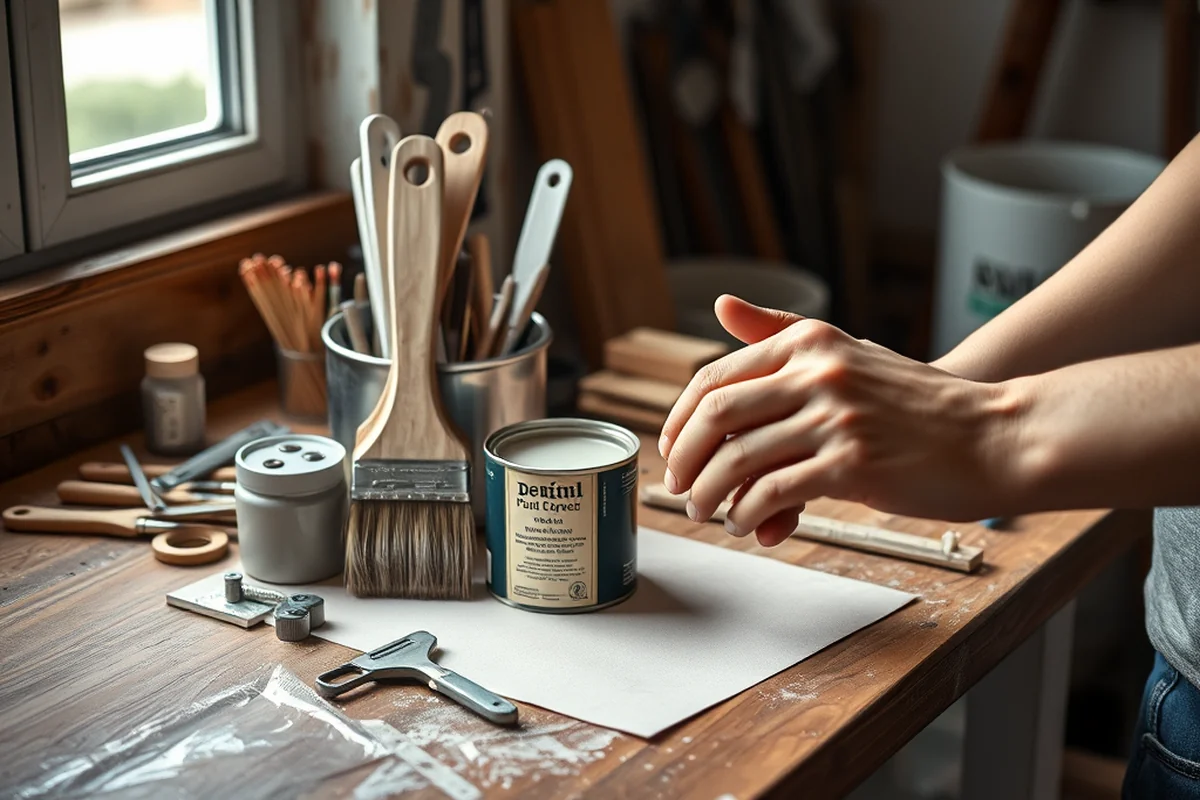
I've found that one of the most overlooked details in a thrift flip is the hardware. I once bought a cabinet that had several missing handles, making it almost unusable. I quickly realized that replacing the handles was essential. I purchased new hardware that matched the style of the cabinet — modern, minimalist — and installed them using screws and a drill.
When replacing hardware, I always make sure to match the original style as closely as possible. If the original hardware is too worn or damaged, I'll use high-quality replacements that not only look good but also function well. I've found that using brass or stainless steel hardware adds a touch of elegance and durability to any piece.
Fixing damaged or missing handles and hardware is an easy but effective way to enhance the look and usability of your furniture. Taking the time to replace or repair these details can make a big difference in the overall appearance of the piece.
Related: Thrift flip makeovers mistakes tips
Fixing Cracked or Damaged Surfaces on Metal Pieces
I once came across an old metal lamp that had a crack in the base. At first, I was tempted to leave it as is, but I knew that the crack could make the lamp unstable or even dangerous. So, I decided to fix it. I used a metal welder to patch the crack with a small piece of metal, then sanded it down and painted it to match the rest of the lamp.
For smaller cracks or dents, I've found that using a metal filler can be a good alternative. I applied the filler, let it dry, then sanded it smooth. I also used a metal primer before painting to ensure the paint would stick properly. This step was crucial — without the primer, the paint would have peeled off within a few weeks.
Fixing cracked or damaged surfaces on metal pieces can be a bit more involved, but with the right tools and techniques, it's possible to restore them to their original condition. Taking the time to properly clean, weld, and seal the surface ensures that your metal furniture will look and function like new.
💰 Budget Build
Use secondhand tools, paint from the hardware store, and focus on functional over fancy.
⏰ Weekend Version
Work on one piece at a time, focus on simple fixes, and complete the project in one day.
✨ Upgraded Finish
Add gold leaf accents, use higher-quality paint, and incorporate decorative hardware for a luxury look.
🛋️ Small-Space Adaptation
Opt for compact furniture, use space-saving storage solutions, and choose light, neutral colors.
🏠 Rental-Safe Option
Use removable paint, avoid permanent alterations, and choose pieces that are easy to take with you when moving.
| The mistake | Why it happens | The fix |
|---|---|---|
| Skipping the sanding step | Skipping the sanding step can lead to a rough surface that doesn't accept paint well, resulting in an uneven or patchy finish. | Always sand the surface thoroughly before painting to ensure a smooth, even finish. |
| Using the wrong type of paint | Using the wrong type of paint can cause the paint to peel or flake off over time, especially on wood or metal surfaces. | Always choose a paint that is appropriate for the material you're working with, and use a primer for better adhesion. |
| Not securing loose hardware | Not securing loose hardware can make the furniture unstable and potentially dangerous, especially on pieces like tables and chairs. | Always check all hardware for tightness and use screws or wood glue to secure any loose parts. |
| Ignoring the need for a sealant | Ignoring the need for a sealant can lead to the paint chipping or peeling over time, especially on high-traffic areas. | Always apply a clear sealant, such as polyurethane, to protect the paint and prolong the life of the furniture. |
Related: Thrift flip makeovers mistakes printable
Thrift Flip Makeovers Fixes Tips
Related: Thrift flip makeovers mistakes for small spaces
Common Questions
What tools do I need for a basic thrift flip?
How long does a typical thrift flip take?
Can I use the same paint for all furniture pieces?
What should I do if I find a piece with a broken leg?
References
- Makeover culture: landscapes of cosmetic surgery - Academia.edu (academia.edu)
- Scientific American October 2025 - H.J. Andrews Experimental Forest (andrewsforest.oregonstate.edu)
- Looking Good, Feeling Good, Doing Good? (asset.library.wisc.edu)
- Horizontal Networks and Social Equity in Three Cultural Districts (aura.antioch.edu)
Cite this guide
CurbFound (2026). Thrift Flip Makeovers Fixes Tips. https://curbfound.com/thrift-flip-makeovers-fixes-tips/
Feel free to cite or share this guide.