Top Flipping Thrift Store Items
📖 Table of Contents
I remember the first time I wandered into a local thrift store with a mission to find something worth flipping. I had no idea what I was looking for, but after a few minutes of browsing, I found a vintage ceramic bowl that was chipped and stained. It cost me just $2, and after a few hours of scrubbing, sanding, and painting, it became a centerpiece for my kitchen. That moment taught me the power of thrift flipping — and the thrill of turning something overlooked into something beautiful and valuable.[4]
Thrift flipping is more than just a hobby; it's a way to breathe new life into forgotten treasures. Whether you're a seasoned DIY enthusiast or a complete beginner, the right thrift store finds can be the perfect starting point for your next project. The key is knowing what to look for and how to transform it with minimal effort and maximum impact.[5]
The top flipping thrift store items often include things like furniture, decor, and home goods that are either outdated, damaged, or just plain neglected. These items are frequently sold at a fraction of their original cost, making them a goldmine for those who know how to see beyond the surface. My favorite part of the process is the surprise of what you can find — and the satisfaction of creating something unique and meaningful.
Why You'll Love This Guide to Thrift Flipping
- Learn how to spot the most valuable thrift store items quickly and easily.
- Discover affordable, creative ways to restore and repurpose secondhand items.
- Get inspired by real stories of successful thrift flips and their outcomes.
- Gain confidence in your DIY skills with step-by-step guidance and clear examples.
What to Look for in Thrift Store Finds
As of September 2026, when I first started thrift flipping, I wasted a lot of time on items that looked good but were actually beyond repair. The key is to focus on pieces that are sturdy — even if they have a few scratches or scuffs. If the legs on a chair are broken or the frame is warped, it’s not worth the effort. But a sturdy table that needs a fresh coat of paint or a chair with a few loose screws can be a great candidate for a flip.
I always start by checking the overall condition of the item. Look for signs of structural integrity, like cracks in the wood or rust on the metal. If the item is in good shape, even if it’s not perfect, it’s a good candidate for a flip. I’ve found some of my best pieces in the $5 to $10 range — and after a few hours of work, they’ve become valuable additions to my home.[1]
Another tip is to look for items that have been discounted or are out of season. These pieces are often overlooked, which means they might be available at a lower price. I’ve found that items from the 1960s and 1970s are particularly popular, and they often come with unique patterns or designs that can be updated with a fresh coat of paint.
Take your time when selecting items. Rushing can lead to poor choices, and you’ll end up with more work than you bargained for. Spend a few minutes examining each piece before making a decision.
Part of our Thrift flip makeovers guide.
How to Clean and Restore Thrift Store Items
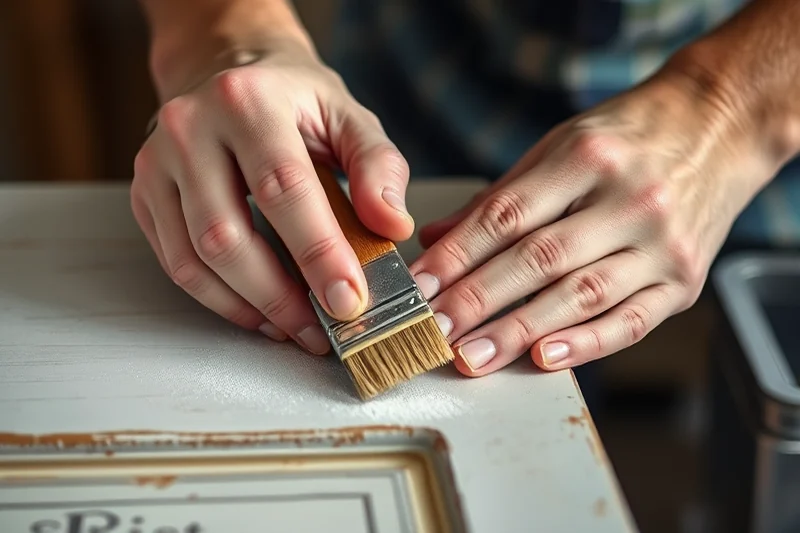
The first step in restoring any thrift store item is to clean it thoroughly. For furniture, I use a soft cloth and a mild detergent to remove surface dirt and grime. For items with stubborn stains, I’ve found that a mixture of baking soda and water works wonders. I always test any cleaning solution on a small, inconspicuous area before applying it to the entire item.
Once the item is clean, I move on to repairing any damage. For wood furniture, I use wood filler to patch cracks and holes. For metal items, I sand down any rust spots and apply a coat of paint or sealant. I’ve found that using a primer before painting can make a huge difference in the final result, especially if the surface is not completely smooth.
After the repairs are done, I focus on the final touches. This might include painting, staining, or adding new hardware. I always make sure to let each step dry completely before moving on to the next one. It’s easy to rush this step and end up with uneven results, so patience is key.
Restoration is about patience — the better you take your time, the better the result.
Related: Flipping thrift store items
Related: Flipping thrift store items tips
Related: Thriftbooks official site
The Power of Upcycling Thrift Store Finds
One of the most exciting parts of thrift flipping is the opportunity to upcycle items in creative ways. I’ve turned old chairs into new ones with a fresh coat of paint and new cushions, and I’ve even converted old dressers into modern storage solutions. The key is to find items that you can easily modify or repurpose.
Upcycling is a great way to give old items new life while also reducing the environmental impact of buying new products. Instead of throwing away an old piece of furniture, I can give it a new look and use it in my home. This not only helps the planet but also saves me money in the long run.
I’ve found that upcycling is a great way to make a statement in my home. Whether it’s a vintage mirror with a new frame or a classic lamp with a modern light bulb, upcycling allows me to create a space that’s uniquely mine. It’s also a great way to experiment with different styles and colors without breaking the bank.
When upcycling, don’t be afraid to think outside the box. Sometimes the most unexpected items can be transformed into something truly special. For example, an old picture frame can become a unique shelf, and an old door can be turned into a piece of wall art.
“I remember the first time I wandered into a local thrift store with a mission to find something worth flipping.”— CurbFound editors
Related: Diy thrift store makeover ideas
Related: Homemade thrift flip makeovers ideas
Related: Repurposing thrift store items for flip without tools
The Financial Benefits of Thrift Flipping
One of the biggest financial benefits of thrift flipping is the potential for profit. I’ve found that some of the most valuable items I’ve flipped have sold for several times their original cost. For example, a vintage coffee table that I bought for $15 and restored over a weekend sold for $120 on a local marketplace.[2]
Another financial benefit is the cost savings. Instead of buying brand new furniture, I can find high-quality pieces at a fraction of the price. This means I can furnish my home without breaking the bank. I’ve also found that some of the most expensive items are actually available at thrift stores — I once found a leather sofa for just $100, and it was in excellent condition.[3]
Thrift flipping can also be a great way to build a portfolio. If you’re interested in selling your flipped items online, you can start by building a collection of high-quality pieces. Over time, you’ll develop a reputation for finding and restoring great items, which can lead to more opportunities and higher profits.
Related: Easiest things to flip for profit for families
Related: Items to flip reviews
Related: Thrift store makeover ideas alternatives
The Emotional Rewards of Thrift Flipping
One of the most rewarding aspects of thrift flipping is the sense of accomplishment that comes with transforming a neglected item into something beautiful. There’s a real satisfaction in seeing a piece that was once overlooked become the centerpiece of a room or a valuable addition to your home.
I’ve also found that thrift flipping can be a great way to connect with others. Whether it’s sharing your finds with friends or selling your restored items to new owners, the process can be a form of creative collaboration. I’ve met some amazing people through thrift flipping — from fellow DIY enthusiasts to antique collectors.
Finally, thrift flipping can be a great way to express your personality and creativity. Each piece you restore becomes a reflection of your style and taste. Whether you’re creating a vintage-inspired room or a modern, minimalist space, thrift flipping allows you to bring your vision to life in a unique and personal way.
⭐ Classic
A simple, elegant look with just a single color and minimal design.
💰 Budget
Use affordable materials like acrylic paint and basic brushes for a cost-effective flip.
⚡ Extra-Fast
Skip the detailed designs and focus on a quick paint job for faster results.
✨ Depth
Add multiple layers of paint and intricate details for a more dramatic look.
🥗 Light
Use pastel shades and minimal decoration for a soft, minimalist design.
| The mistake | Why it happens | The fix |
|---|---|---|
| Ignoring the structural integrity of an item | If the item is broken or unstable, it may not be worth the effort to restore. | Always check the condition of the item before purchasing. Look for signs of damage or instability. |
| Using the wrong type of paint or materials | Using the wrong type of paint or materials can lead to poor results or damage to the item. | Use the right type of paint and materials for the item you’re restoring. For example, use wood filler for wood furniture and ceramic paint for ceramic items. |
| Rushing the process | Rushing the process can lead to mistakes and poor results. | Take your time with each step of the process. Allow each step to dry completely before moving on to the next one. |
| Not testing your cleaning or painting solutions | Using a solution that damages the item can be costly and frustrating. | Always test any cleaning or painting solutions on a small, inconspicuous area before applying them to the entire item. |
Materials & Tools tap to check off
- 1 lb ceramic bowl
- ½ cup white paint
- paintbrush to taste
Method tap a step when done
- Start by cleaning the ceramic bowl thoroughly with warm, soapy water. Make sure to remove any dirt or grime from the surface.
- Allow the bowl to dry completely before moving on to the next step.
- Apply a thin, even coat of white paint to the bowl using a paintbrush. Work in a well-ventilated area and avoid painting too thickly to prevent drips.
- Allow the paint to dry for at least 2 hours before applying a second coat if needed.
- Once the paint is completely dry, you can add any additional details or designs you like. This might include painting patterns, adding gold leaf, or using markers to create a more intricate look.
- Let the bowl cure for 24 hours before using it to ensure the paint is fully set.
Key Facts
Related: Budget thrift flip makeovers ideas
Related: Beginner thrift store makeover ideas
Related: Top make a cute thrift flip
Top Flipping Thrift Store Items
Related: Online thrift furniture makeover ideas
Related: Simple thrift flip makeovers tips
Related: Cheap flip thrift store items
Common Questions
What are the most valuable thrift store items to flip?
How long does it take to flip a thrift store item?
Can I make a profit flipping thrift store items?
What tools do I need to start thrift flipping?
References
- A sustainable guide to thrifting - University of Colorado Boulder (colorado.edu)
- The Gentrification of Thrift Stores and its Ecological Effects (confluence.gallatin.nyu.edu)
- (PDF) Thrift shopping: Combining utilitarian thrift and hedonic treat ... (academia.edu)
- Turning thrifty: incorporating secondhand apparel into the Consumer ... (bls.gov)
- Is Thrift Flipping Ethical and Sustainable? - Boston University (bu.edu)
Cite this guide
CurbFound (2026). Top Flipping Thrift Store Items. https://curbfound.com/top-flipping-thrift-store-items/
Feel free to cite or share this guide.